
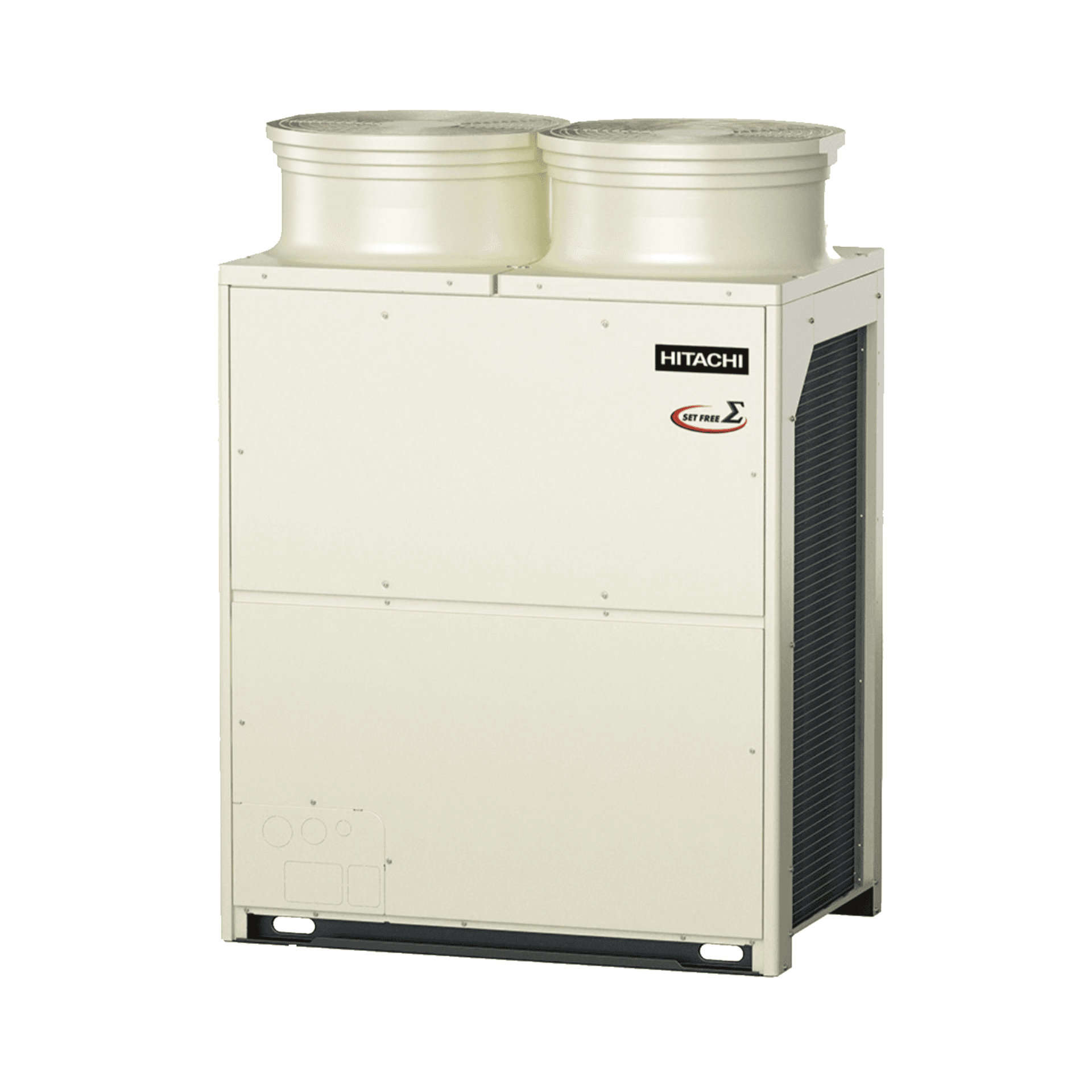
VRF / VRV Air Conditioning

VRF / VRV Air Conditioning

VRF / VRV Air Conditioning Solutions in Bangladesh

Smart, energy-efficient zone cooling for modern commercial buildings and premium developments.

Smart, energy-efficient zone cooling for modern commercial buildings and premium developments. Efficient zone control for offices, hotels, malls, and high-rise buildings.

Individual zone temperature controlEnergy-efficient inverter technologyFlexible piping and system designLow operational cost and quiet operation

Optimization Through Advanced Engineering

What is VRF / VRV Air Conditioning and Why It Matters

VRF and VRV systems allow multiple indoor units to operate from a single outdoor platform while controlling refrigerant flow according to demand.

This makes them ideal for buildings with changing occupancy and multiple comfort zones.

VRF and VRV systems are designed for precise comfort, energy efficiency, and scalable building performance.

VRF / VRV air conditioning is not standard cooling — it is a zone-control strategy.
Individual zone temperature controlBuilt around vrf / vrv air conditioning project requirements, load conditions, and practical commissioning needs.
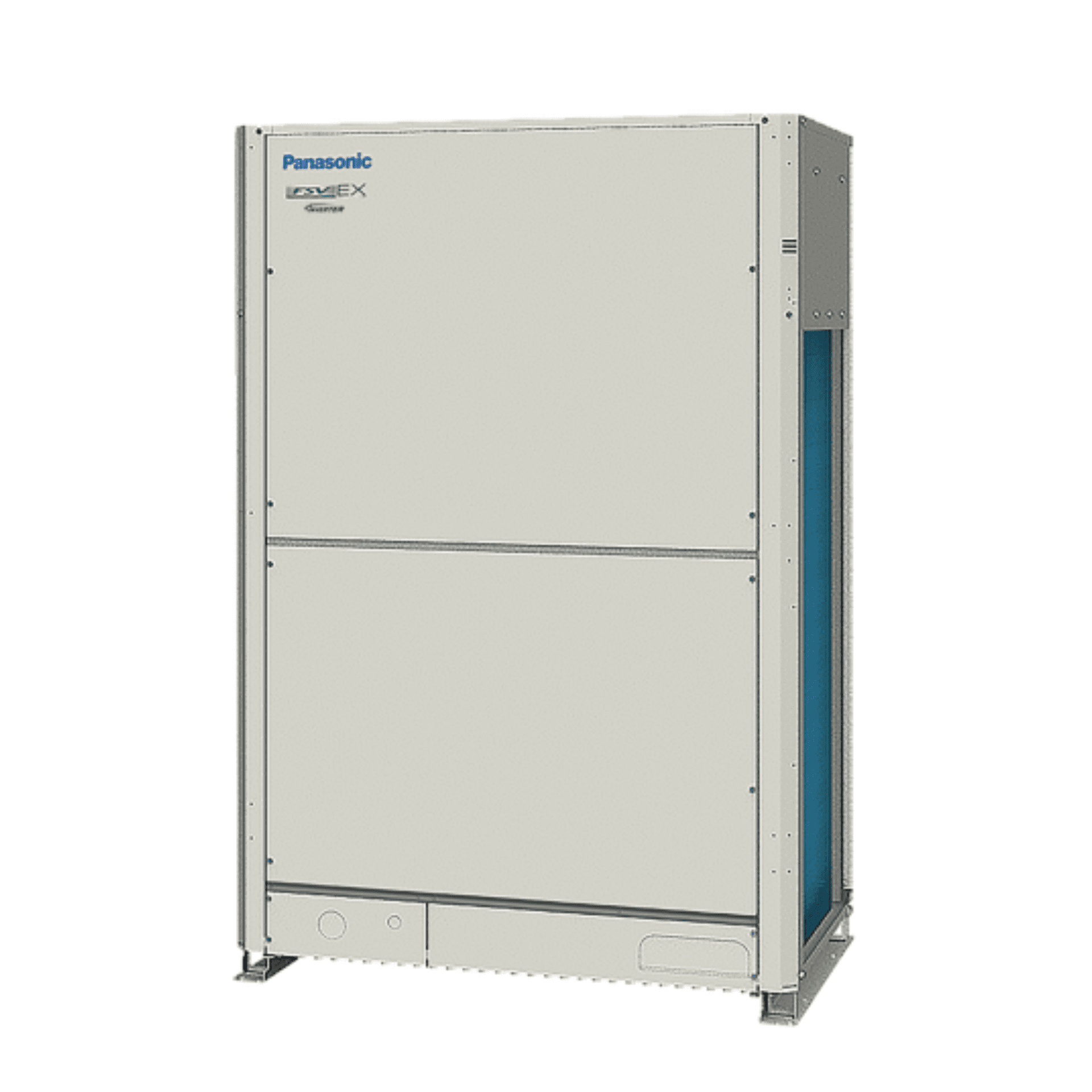
Energy-efficient inverter technologyBuilt around vrf / vrv air conditioning project requirements, load conditions, and practical commissioning needs.
Flexible piping and system designBuilt around vrf / vrv air conditioning project requirements, load conditions, and practical commissioning needs.
Low operational cost and quiet operationBuilt around vrf / vrv air conditioning project requirements, load conditions, and practical commissioning needs.

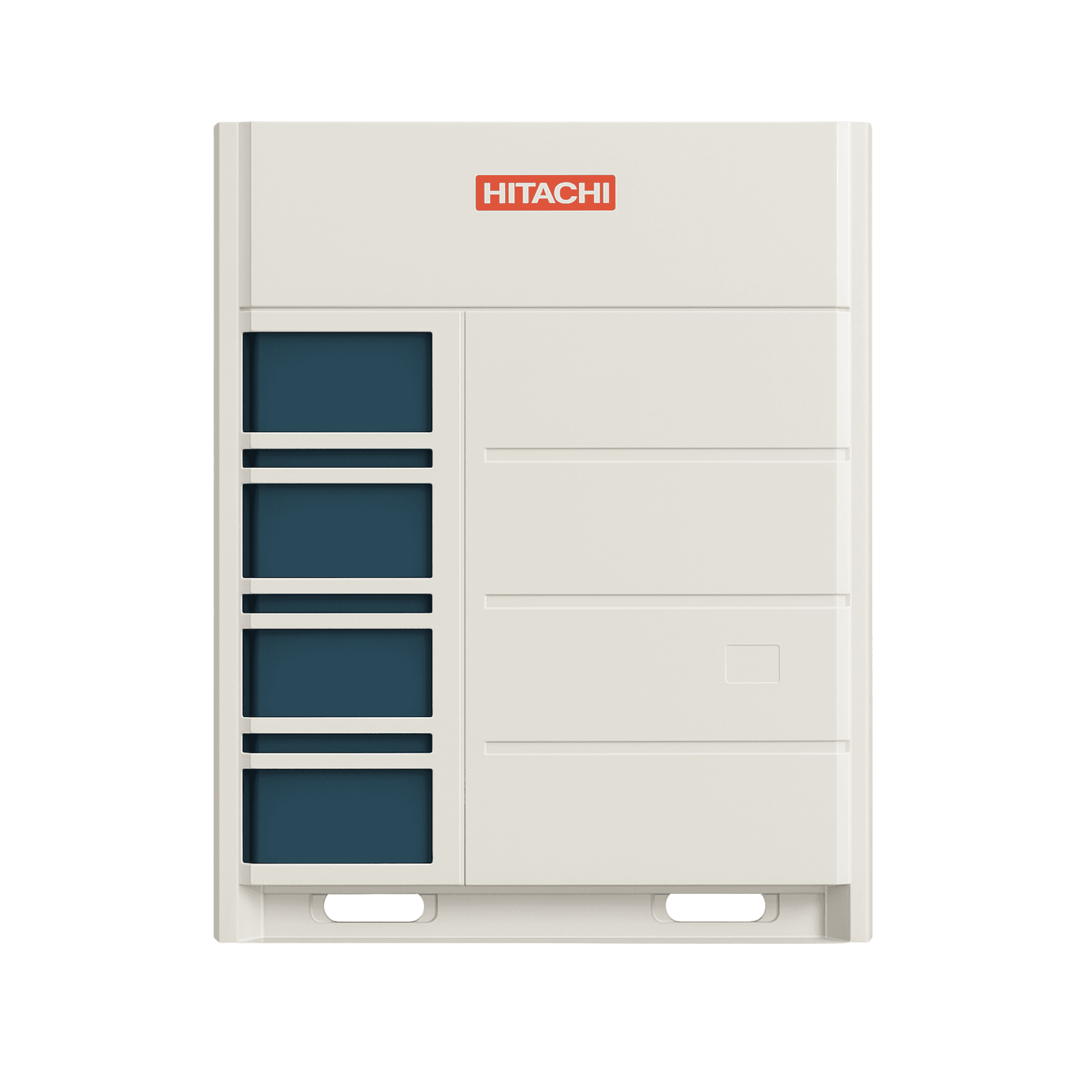
Key Requirements

Key Requirements of VRF / VRV HVAC Systems

A properly designed VRF / VRV air conditioning system must meet strict environmental and operational requirements to support uninterrupted service.

01

Individual zone temperature control

Built around vrf / vrv air conditioning project requirements, load conditions, and practical commissioning needs.
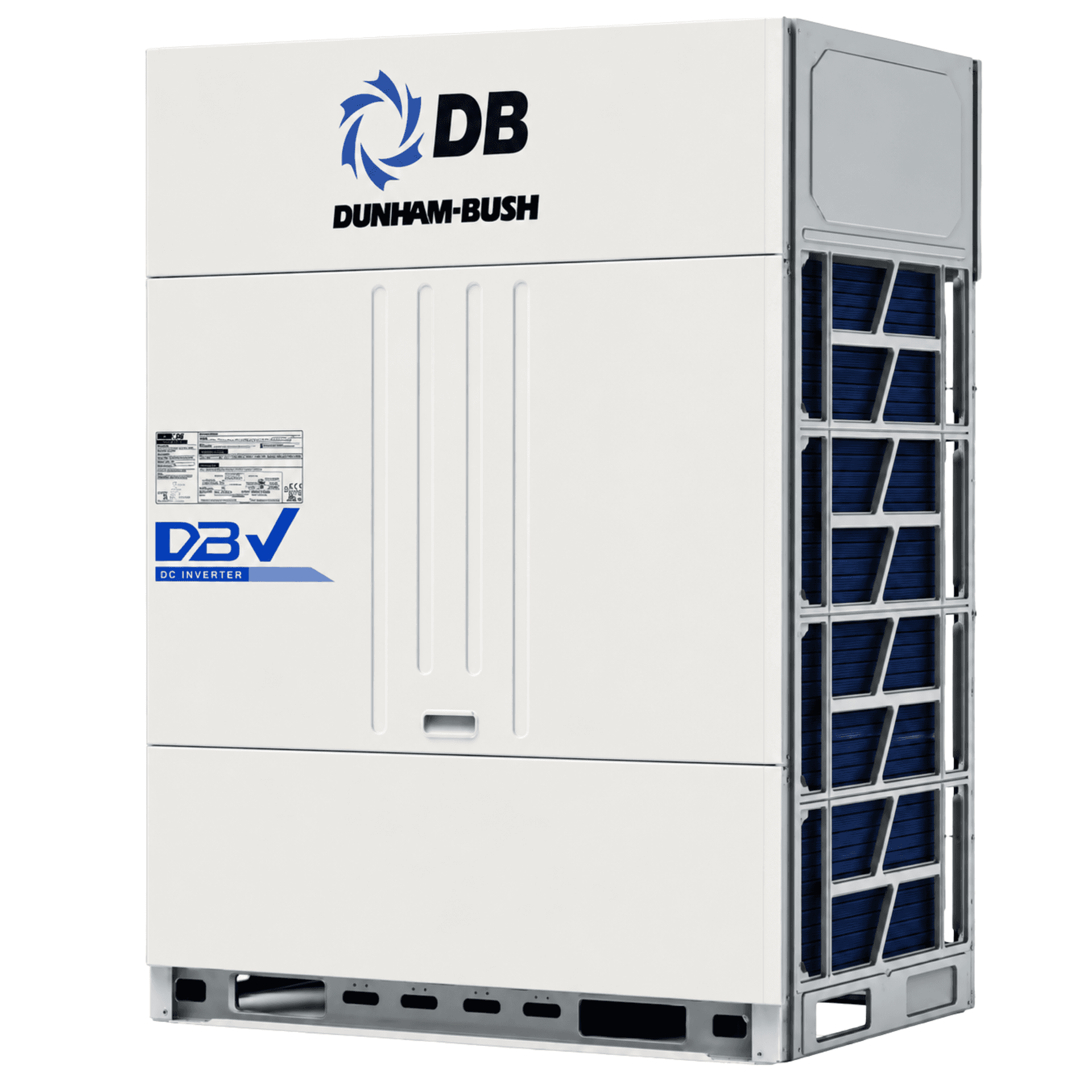
02

Energy-efficient inverter technology

Built around vrf / vrv air conditioning project requirements, load conditions, and practical commissioning needs.

03

Flexible piping and system design

Built around vrf / vrv air conditioning project requirements, load conditions, and practical commissioning needs.

04

Low operational cost and quiet operation

Built around vrf / vrv air conditioning project requirements, load conditions, and practical commissioning needs.

System Types

Types of VRF / VRV HVAC Systems

Different cooling strategies are used depending on the size, load, and layout of the modern commercial buildings.

VRF outdoor unit
01

VRF Outdoor Units

High-efficiency outdoor systems for multi-zone buildings.

VRF indoor unit
02

Indoor Units

Cassette, ducted, or wall-mounted units for the right room type.

VRF zoning system
03

Refrigerant Piping

Balanced distribution for safe and efficient system flow.

VRF piping and layout
04

Central Controls

Smart monitoring and temperature control for the whole building.

Engineering Challenges

Engineering Challenges in VRF / VRV HVAC

Why design is more complex than standard air-conditioning

Designing HVAC systems for modern commercial buildings involves complex engineering considerations beyond standard air-conditioning. A poor design can increase operating costs and raise the risk of downtime.

Critical control points

  • Large commercial buildings need a cooling system that can respond to changing occupancy without wasting energy or sacrificing comfort.
  • Systems must stay aligned with vrf / vrv air conditioning project demands and site constraints.
  • Energy use, serviceability, and lifecycle value must stay balanced from the start.
  • Execution should align with consultant specifications and practical site coordination.
  • Commissioning needs to confirm stable performance before handover.

Our Engineering Approach

How we design VRF / VRV air conditioning systems

Precision engineering from load analysis to commissioning

At Abontika HVAC Engineering, we approach VRF / VRV air conditioning design as a precision engineering task rather than a standard cooling requirement.

Load calculation and room-by-room zoningDesigned to support vrf / vrv air conditioning projects with practical engineering discipline and site-ready implementation.
Selection of outdoor and indoor units to match layoutDesigned to support vrf / vrv air conditioning projects with practical engineering discipline and site-ready implementation.
Refrigerant piping and control planningDesigned to support vrf / vrv air conditioning projects with practical engineering discipline and site-ready implementation.
Testing and commissioning for stable performanceDesigned to support vrf / vrv air conditioning projects with practical engineering discipline and site-ready implementation.

Applications

Applications of VRF / VRV HVAC Solutions

Hotels and ResortsCorporate OfficesCommercial ComplexesHigh-Rise Buildings

Why Abontika

Why Abontika HVAC Engineering

Engineering knowledge, global sourcing, and practical execution

We design VRF and VRV systems around zoning, operating hours, and project scale so the building gets stable comfort with better efficiency. At Abontika HVAC Engineering, we match the system to real project conditions, not just catalog specifications. For vrf / vrv air conditioning projects, that means each decision is tied to performance and long-term usability.

Our collaboration with globally recognized manufacturers helps us maintain authentic sourcing, technical coordination, and dependable project delivery.

Conclusion

Stability, reliability, and protection for critical infrastructure

VRF / VRV HVAC is a reliability strategy

VRF / VRV air conditioning is not just about comfort or airflow — it is a zone-control strategy.

We can help you choose the right cooling solution for modern commercial developments.

Lead Conversation

Discuss your VRF / VRV strategy with our engineering team

We can help you choose the right cooling solution for modern commercial developments. We help project teams move from load calculation to equipment selection, installation planning, and commissioning support.