Key takeaways
- Dunham-Bush equipment should be evaluated as part of the complete building system.
- VRF, chiller and airside pathways serve different project architectures.
- Exact technical claims require the approved document for the proposed product.
Applied HVAC begins with the application
Applied HVAC equipment is selected around a defined building or process requirement. Cooling load, operating schedule, air distribution, fresh air, redundancy, plant space and service strategy all influence the appropriate architecture.
For Dunham-Bush projects, the useful first question is therefore not which product is largest or most efficient, but which system type fits the project's operating and delivery requirements.
VRF pathway
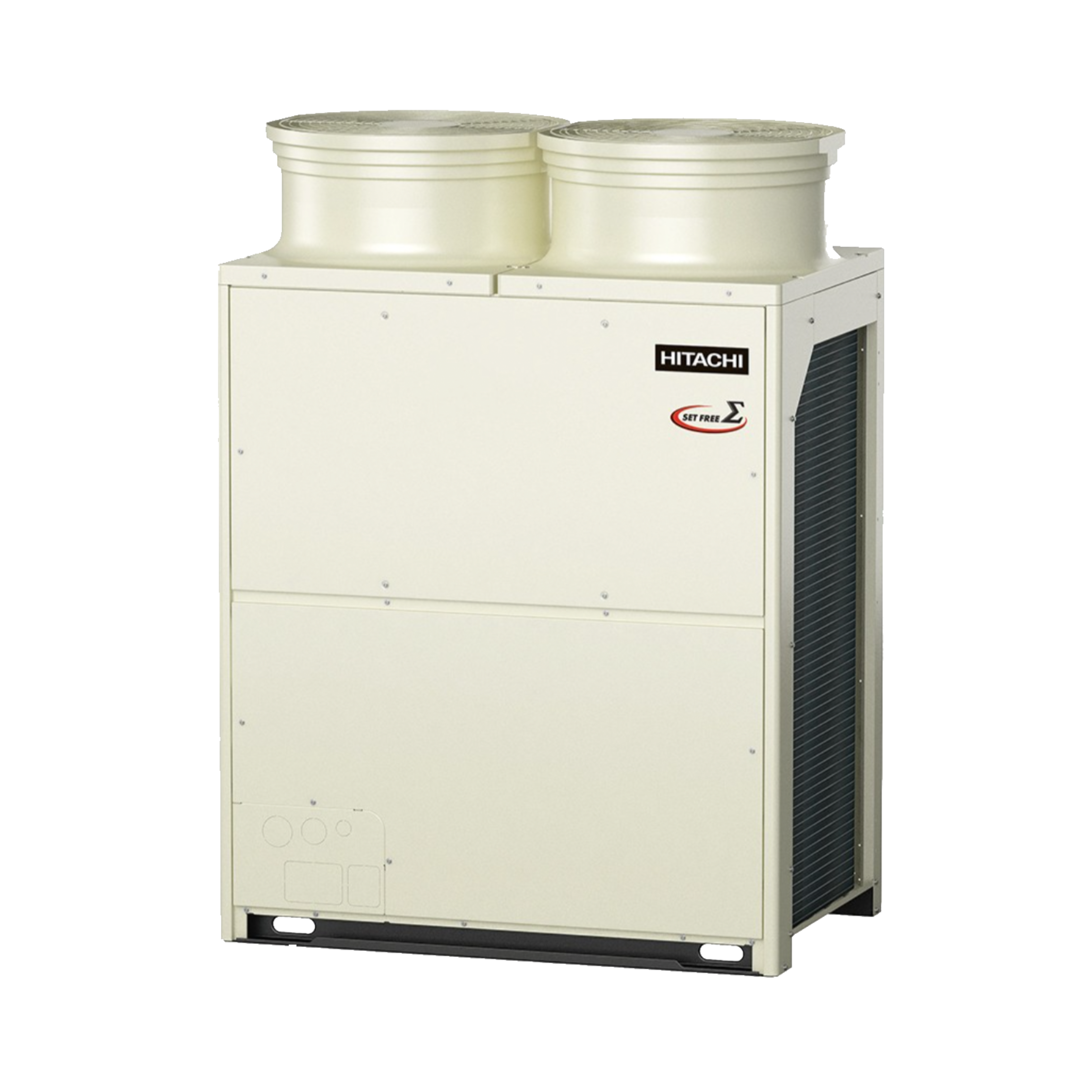
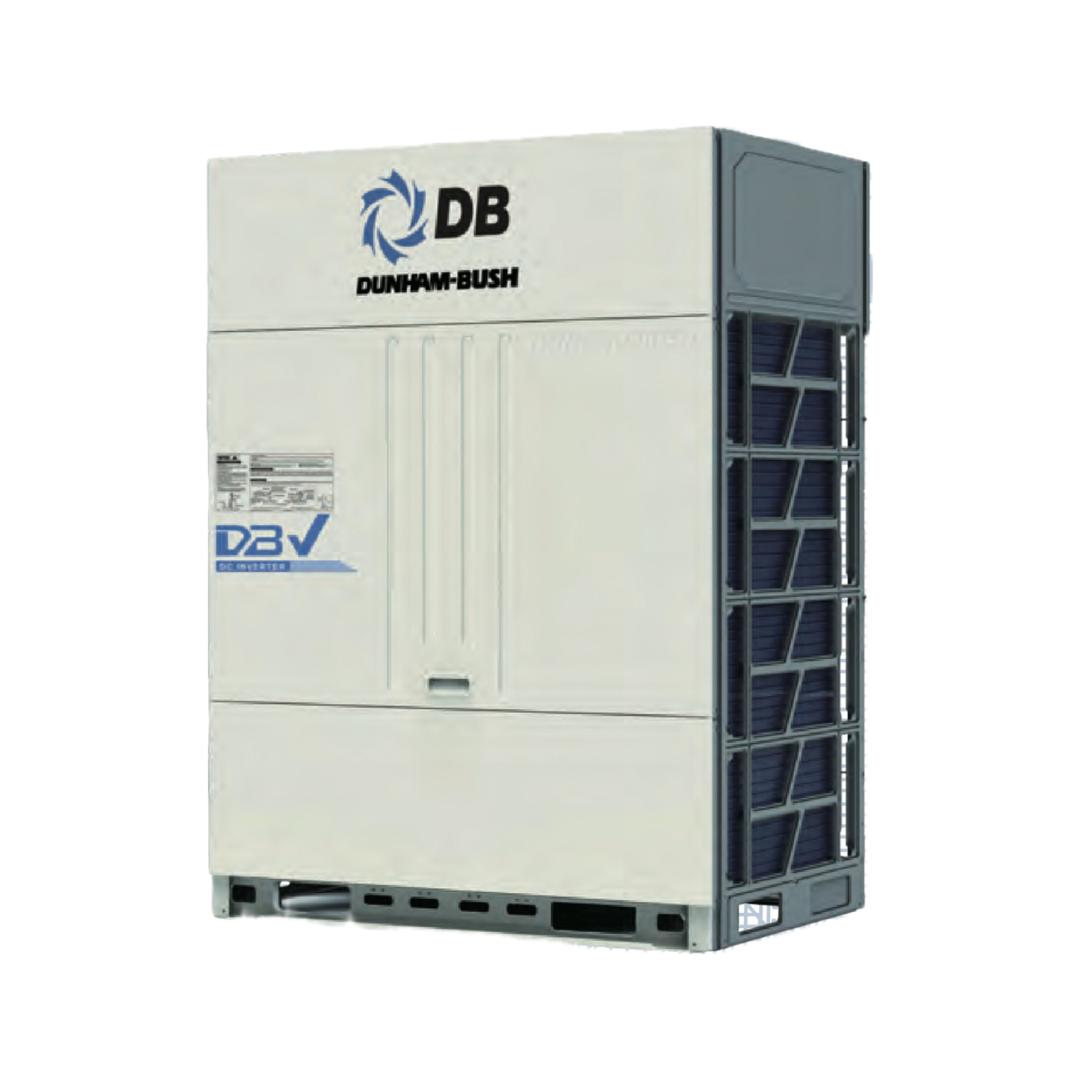
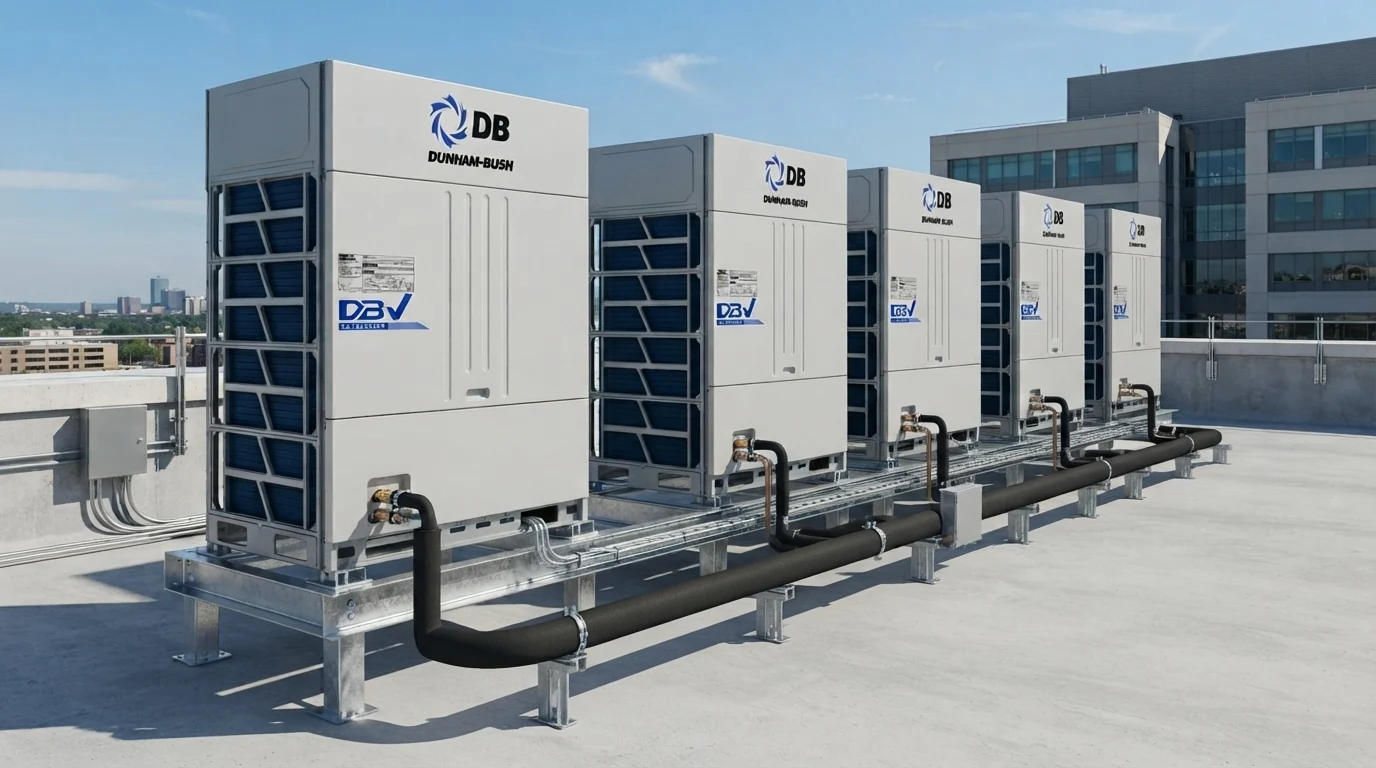
A Dunham-Bush VRF system may be considered for commercial buildings requiring multiple zones and flexible terminal arrangements. The complete design must address cooling loads, diversity, refrigerant piping, ventilation, drainage, electrical supply, controls and access.
Connection rules, piping limits, capacity combinations and other numerical data must be taken from the approved literature for the selected system rather than generalized across the brand.
Chiller and central-plant pathway
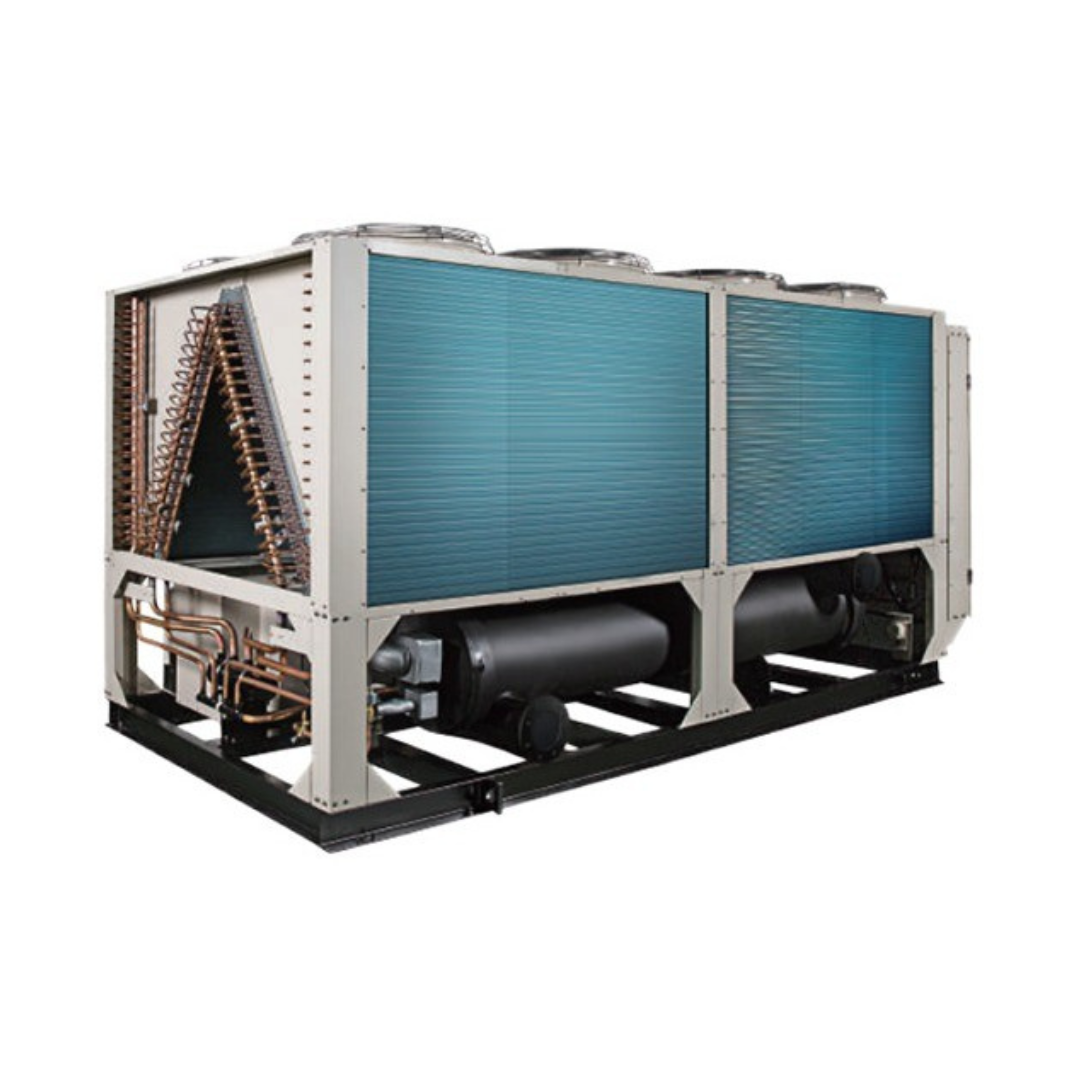
Chiller equipment supports a centralized water-based cooling architecture. The plant may require pumps, water treatment, heat-rejection equipment, air-handling units and integrated controls depending on the selected approach.
Selection should examine full-load and part-load demand, redundancy, plant layout, noise, maintenance access and lifecycle operation—not only nominal capacity.
Airside and precision-cooling coordination
Air-handling and precision-cooling applications introduce their own airflow, filtration, humidity, redundancy and control requirements. These systems should be matched to the served environment and coordinated with architectural, electrical and controls teams.
Documentation and project support
Consultants and EPC teams need exact product identification, compliant technical data, drawings and installation requirements. A controlled submittal process helps keep product claims tied to the equipment actually offered.
Procurement should also clarify logistics, installation responsibility, startup, commissioning, warranty terms and access to after-sales support.
Frequently asked questions
Practical questions about this topic
Does Dunham-Bush offer both VRF and chillers?+
The current Abontika brand presentation includes VRF, chiller, airside, packaged and precision-cooling pathways. Exact availability should be confirmed for the project.
Should VRF or a chiller be selected first?+
The system architecture should follow the load profile, zoning, fresh-air strategy, space, operations and lifecycle requirements.
Where should model specifications come from?+
Use approved current manufacturer documents and the project-specific technical submittal for the exact offered equipment.
Project support
Need support with an HVAC project?
Share your building type, project location, drawings and current stage. Abontika can help coordinate the appropriate technical next step.